

Amino acids are the fundamental building blocks of life. Every protein in your body — from muscle fibres and hormones to enzymes and neurotransmitters — is assembled from amino acids. Yet beyond their role as structural components, these organic compounds regulate metabolism, support immunity, influence mood, and power athletic performance. Understanding how different amino acids work helps you make smarter choices about diet and supplementation.
How Many Amino Acids Are There?
The human body uses 20 proteinogenic amino acids — those that are encoded by DNA and incorporated into proteins. Beyond these, more than 300 non-proteinogenic amino acids exist in nature, with various metabolic and pharmaceutical roles. The 20 proteinogenic amino acids are further divided into 12 non-essential (endogenous) amino acids, which the body can synthesise on its own, and 8 essential (exogenous) amino acids, which must be obtained through food or supplementation. A further subcategory — conditionally essential amino acids — covers those that the body can normally produce but may not be able to synthesise in sufficient quantities during illness, intense physical stress, or rapid growth.
Essential Amino Acids: What They Are and Why They Matter
Essential amino acids cannot be manufactured by the human body, which means any shortfall must come from diet. Each of the eight plays a distinct role:
- Lysine — supports immune defence and antiviral activity; also essential for collagen synthesis
- Methionine — regulates growth hormone production and is a precursor to several sulphur-containing compounds
- Threonine — contributes to skin hydration and normal functioning of the nervous system
- Leucine — the most anabolic of the branched-chain amino acids (BCAAs); reduces cortisol and drives muscle protein synthesis
- Isoleucine — supports muscle tissue repair and is involved in haemoglobin formation
- Valine — contributes to muscle building and may help reduce excess body fat when combined with exercise
- Tryptophan — a precursor to serotonin and melatonin, making it key for mood regulation and healthy sleep
- Phenylalanine — supports hormonal balance and is a precursor to dopamine and other catecholamines
Histidine is sometimes included as a ninth essential amino acid, as it is produced in only small quantities by the body and must also be supplied through diet, particularly during growth phases. You'll find individual essential amino acids and full-spectrum formulas in our amino acid supplements collection.
Essential Amino Acid Supplements


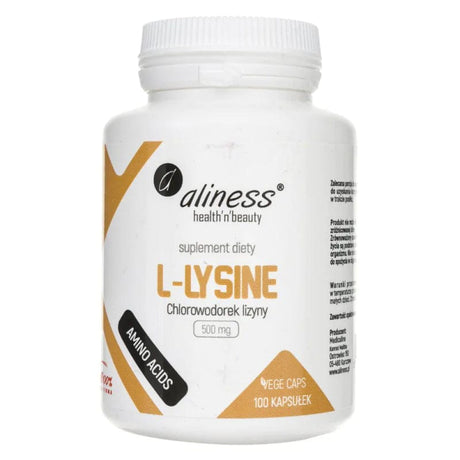


Aliness
Aliness L-Lysine (Hydrochloride) 500 mg - 100 Capsules
Regular price €8.19Unit price€0.08 each


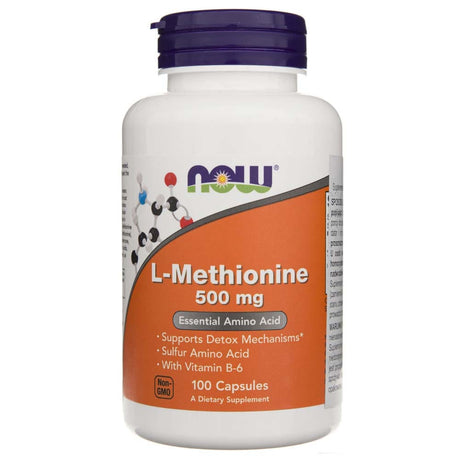


Non-Essential Amino Acids: Produced by the Body, Still Worth Supplementing
Non-essential amino acids are synthesised by the body from other compounds, but this does not mean they are unimportant — quite the opposite. Under conditions of stress, illness, heavy training, or ageing, the body's own production may not keep pace with demand. Key non-essential amino acids include:
- Glycine — supports joint health, improves sleep quality, and is a major component of collagen
- Arginine — a precursor to nitric oxide, supporting vascular function and nutrient delivery to muscle tissue; also assists wound healing
- Glutamine — the most abundant amino acid in muscle tissue; supports gut barrier integrity and post-exercise recovery
- Proline — contributes to skin elasticity and the structural integrity of connective tissue
- Tyrosine — a precursor to dopamine, adrenaline, and thyroid hormones; may support focus and stress resilience
- Serine — supports immune function and neuronal activity
L-carnitine, while not a conventional amino acid, is a compound synthesised from lysine and methionine that plays a central role in fatty acid metabolism and energy production — particularly relevant for anyone engaged in regular physical activity. Explore our full sports nutrition range for amino acid supplements tailored to training goals.
Non-Essential and Sports-Focused Amino Acid Supplements
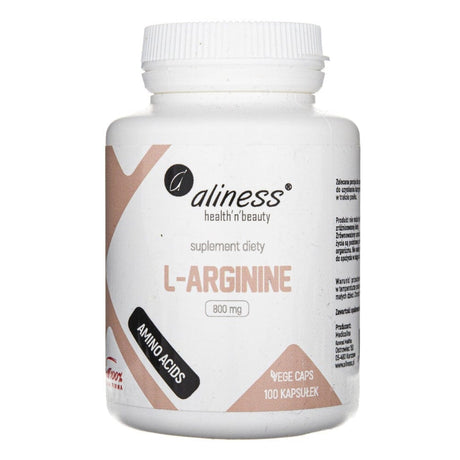


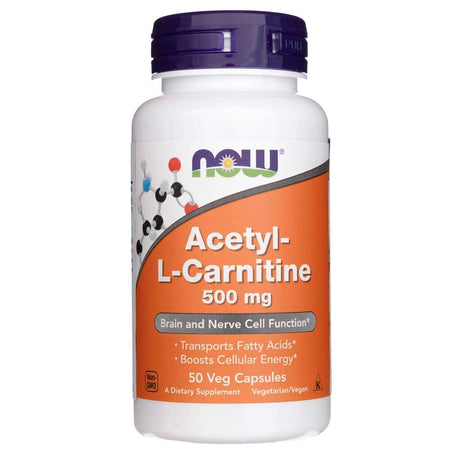


Now Foods
Now Foods Acetyl-L-Carnitine 500 mg - 50 Veg Capsules
Regular price €10.79Unit price€0.22 each


Amino Acids and Physical Training
For athletes and regular gym-goers, amino acid supplementation is one of the most evidence-backed interventions for improving performance and recovery. The three branched-chain amino acids — leucine, isoleucine, and valine — are the most relevant for exercise, as they are directly metabolised in muscle tissue (rather than the liver) and can be used as an energy source during prolonged training. They also blunt the post-exercise rise in cortisol and reduce perceived muscle soreness. Glutamine complements BCAAs by supporting gut health and immune function, both of which can be compromised by high training volumes. Amino acid supplements can be taken before, during, or after training depending on the goal: pre-workout use supports energy availability, intra-workout use reduces fatigue, and post-workout use accelerates muscle repair.
Amino Acids in Skincare
Amino acids have earned a firm place in modern cosmetic formulation. Their natural moisturising properties allow them to replenish water content in skin cells, while their role in collagen synthesis makes them relevant for maintaining skin elasticity and reducing the visible signs of ageing. Glycine and proline are the primary amino acids found in collagen, and their supplementation may support skin structure from the inside. Topically, amino acids soften the stratum corneum, protect against trans-epidermal water loss, and can enhance the penetration of other active ingredients. This dual inside-out and outside-in potential makes amino acids a uniquely versatile ingredient category for skin health — browse our vitamins and supplements for collagen and amino acid products targeting skin appearance.
This article is for information only and does not replace medical advice. If you have health concerns, are pregnant, breastfeeding or taking medication, consult a doctor or pharmacist. Dietary supplements are not a substitute for a varied diet.


