

Bay laurel oil — extracted from the berries and leaves of Laurus nobilis, the same plant whose leaves have flavoured Mediterranean cooking for millennia — is one of the oldest botanical remedies in European natural medicine. Its strongly antiseptic, anti-inflammatory, and antimicrobial properties have kept it relevant across centuries of use, from ancient Greek and Roman traditions through to contemporary aromatherapy and skincare. Whether you are dealing with oily or problematic skin, scalp concerns, joint discomfort, or seasonal respiratory issues, bay laurel oil may offer a genuinely useful natural complement to your routine.
What Is Bay Laurel Oil and How Is It Made?
Bay laurel oil is extracted primarily from the berries of the laurel tree, through a cold-pressing or steam-distillation process depending on the intended application. The resulting oil has a distinctly herbal, spicy, and slightly medicinal aroma — assertive at first, but one that most people find they quickly appreciate. Its rich composition includes cineole, linalool, eugenol, and various terpenes, which together account for the broad range of properties that have made it a fixture of Mediterranean botanical traditions.
Laurel oil is distinct from the dried bay leaves used in cooking, though both come from the same plant. The concentrated oil — particularly in its cold-pressed berry form — carries a significantly higher density of active compounds and is used both topically and, in specific formulations, internally. It is notably well-tolerated on the skin compared to many other essential oils, making it one of the more accessible options for those new to botanical skincare.
Properties of Bay Laurel Oil
The biological compounds present in bay laurel oil have been studied for a range of activities. The properties most consistently reported in the traditional and scientific literature include antiseptic, antibacterial, antifungal, anti-inflammatory, and antispasmodic effects. These are not independent of each other — the same compound that disrupts bacterial cell membranes may also reduce local inflammation, which is why bay laurel oil tends to be effective across several related conditions rather than just one.
Its antifungal activity is particularly relevant for scalp conditions, while its anti-inflammatory effect is most useful in joint and skin applications. The antispasmodic properties have traditionally been associated with digestive and muscular use. Explore our full range of essential oils and aromatherapy products for naturally derived options across all of these applications.
Bay Laurel for Hair and Scalp
One of the most popular contemporary uses of bay laurel oil is for scalp health. Applied to the scalp — typically diluted in a carrier oil or added to a hair mask — it may help regulate sebum production, making it a useful tool for those with persistently oily roots or scalp. Its antifungal and antimicrobial properties are relevant for dandruff and scalp irritation, where an overgrowth of naturally occurring fungi is often a contributing factor.
Regular use is also associated with reduced hair shedding, likely through its effect on scalp circulation and the reduction of follicle-disrupting inflammation. A simple application method: add three to five drops to your regular conditioner or a tablespoon of a light carrier oil such as jojoba or sweet almond, work through the scalp, and leave for fifteen to twenty minutes before rinsing.
Bay Laurel Oil for Joint and Muscle Comfort
Applied topically to areas of chronic joint or muscle discomfort, bay laurel oil is traditionally used as a natural analgesic and anti-inflammatory. Its warming effect — produced by the increased local circulation that follows topical application — can help ease the stiffness associated with cold weather, overexertion, or long periods of inactivity. The antispasmodic activity may also be relevant for muscle cramps and tension.
The most practical forms for joint use are massage oils and balms that incorporate laurel oil as an active ingredient. Warm the preparation slightly before application, and massage into the affected area with firm, circular movements for best absorption. For those looking for natural joint support, laurel-based topicals are a useful complement to oral supplementation.
Skin Care Applications
Bay laurel oil's antiseptic and antibacterial profile makes it a logical fit for skin concerns of bacterial or fungal origin — particularly acne, folliculitis, and minor fungal skin infections. In skincare, it is most commonly used in two formats: incorporated into a clay mask (a few drops blended into kaolin or rhassoul clay with water creates an effective treatment mask for oily and breakout-prone skin), or as part of a nourishing soap or cream formulation.
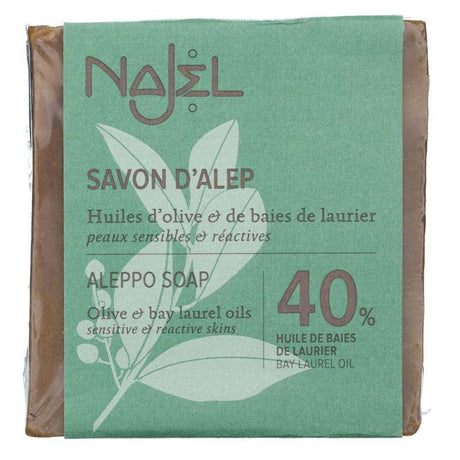
The traditional Aleppo soap — one of the oldest continuously produced soaps in the world, originating in the city of Aleppo in what is now Syria — is formulated with a combination of olive oil and bay laurel berry oil. The higher the percentage of laurel oil in the soap, the more therapeutic its properties, and the more suited it is to oily, acne-prone, or problematic skin. Lower-percentage versions (5–20%) are gentler and suitable for more general daily use. The laurel oil content is typically stated clearly on the packaging.


 10% off
Cztery Szpaki
Cztery Szpaki King Laurel Soap - 110 g
Sale price €4.76 Regular price €5.29Unit price€4.33 /100g


Najel
Najel Moisturising Face Cream with Olive Oil and Laurel Oil - 50 ml
Regular price €7.89Unit price€15.78 /100ml


Bay Laurel and Turmeric: A Traditional Combination
In several traditional botanical systems, bay laurel oil is paired with turmeric for its complementary effects. Where bay laurel brings its antiseptic and antispasmodic profile, turmeric contributes curcumin — one of the most studied natural anti-inflammatory compounds — along with potent antioxidant activity. Together, the combination has been used to support digestive comfort, reduce joint inflammation, and provide antioxidant protection that may slow visible signs of skin ageing.
For topical use, turmeric essential oil can be blended with a laurel-rich carrier or oil to create a warming massage blend for muscles and joints. Note that turmeric has a vivid yellow-orange colour that may stain light fabrics and temporarily tint skin — factor this into any topical application.
Inhalation and Aromatherapy
Bay laurel oil has a long history of use in steam inhalation for respiratory conditions. Added to hot water and inhaled under a towel for five to ten minutes, it may help reduce inflammation in the airways, ease breathing during upper respiratory infections, and provide antibacterial action on the mucous membranes of the throat and nasal passages. This application is particularly relevant during autumn and winter, when colds and chest infections are more prevalent.
In diffused aromatherapy, the warming, herbaceous quality of laurel oil is often combined with other respiratory-supportive oils — eucalyptus, thyme, and tea tree are natural complements, each contributing slightly different antimicrobial profiles and aroma notes. Browse our essential oil singles to build a combination that suits your needs.


This article is for information only and does not replace medical advice. If you have health concerns, are pregnant, breastfeeding or taking medication, consult a doctor or pharmacist. Dietary supplements are not a substitute for a varied diet.


