

Caprylic acid belongs to the group of saturated fats — specifically, it is a medium-chain fatty acid (MCFA) with an eight-carbon chain, also known as octanoic acid. Despite the reputation saturated fats have in popular nutrition discourse, caprylic acid occupies a distinct category: its medium-chain structure means it is metabolised differently from long-chain fats, absorbed more readily, and associated with a range of practical health applications — particularly for digestive health and antifungal defence. Supplying adequate amounts of this fatty acid to the body brings a number of documented advantages worth understanding.
What Is Caprylic Acid and Where Does It Come From?
Caprylic acid is a naturally occurring saturated fatty acid found in several plant and animal fat sources. It is classified as a medium-chain triglyceride (MCT) component, meaning it is absorbed from the gut and transported to the liver more directly than long-chain fatty acids, which require lymphatic transport. This metabolic shortcut makes caprylic acid a fast-acting energy substrate and contributes to its antimicrobial activity in the gut.
Natural dietary sources include:
- Coconut oil — the richest and most practical source, containing approximately 5–7% caprylic acid alongside other MCTs
- Palm kernel oil — similar MCT profile to coconut oil
- Goat and sheep milk and dairy products — caprylic acid contributes to the characteristic flavour of aged goat's cheese
- Butter and cream — present in small amounts in mammalian milk fats generally
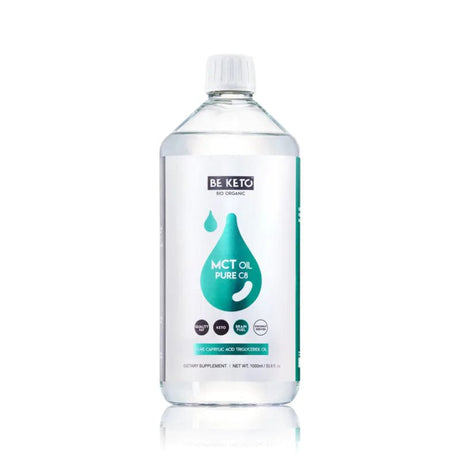
Concentrated caprylic acid is also available in supplement form — as standalone caprylic acid capsules, as MCT oil (which typically contains a blend of C8 and C10 fatty acids), and as pure C8 MCT oil consisting almost entirely of caprylic acid triglycerides. Pure C8 oil is the most ketogenic and fastest-metabolising form.
Antifungal Properties: Caprylic Acid and Candida
The most studied application of caprylic acid is its antifungal activity, particularly against Candida albicans — the yeast most commonly responsible for intestinal and vaginal candidiasis. Caprylic acid disrupts the integrity of fungal cell membranes, causing them to rupture and the cells to be destroyed. This mechanism is specific to fungal cell membranes and does not harm the mammalian cells lining the gut wall.
Candida overgrowth in the gut can arise from a combination of factors, including prolonged antibiotic use (which disrupts the bacterial microbiome that normally keeps Candida in check), a diet high in refined sugar and simple carbohydrates, a weakened immune system, or impaired digestive function. Common signs of Candida dysbiosis include persistent bloating, flatulence, intestinal cramps, unusual fatigue, difficulty concentrating, recurrent thrush or vaginal infections, and increased susceptibility to skin or nail fungal infections.
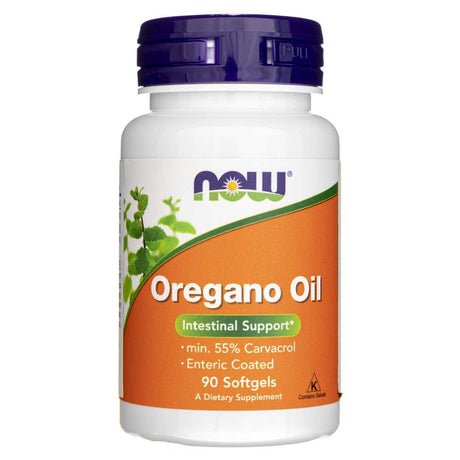
Caprylic acid is frequently used as part of a broader gut support protocol for Candida management, often alongside probiotics — which help restore the beneficial bacterial populations that compete with Candida — and other antimicrobial botanicals such as oregano oil. Our probiotics collection and digestive system supplements include products commonly used alongside caprylic acid in gut health protocols.
Digestive Health Benefits Beyond Antifungal Activity
Beyond its antifungal mechanism, caprylic acid offers additional support for digestive health. It has demonstrated antibacterial activity against certain gut pathogens — it is more effective at inhibiting bacterial cell membranes than shorter-chain fatty acids such as acetic or propionic acid. When combined with minerals like zinc, calcium, or magnesium, it may contribute to a protective effect on the intestinal lining, supporting normal gut barrier function and reducing inflammatory activity in the gastrointestinal tract. Some research suggests it may be useful in supporting recovery from gut ulceration and in reducing symptoms associated with irritable bowel syndrome (IBS).
MCT Oil and Caprylic Acid for Energy and Metabolism
Caprylic acid's role in energy metabolism has made MCT oil — which is concentrated in caprylic (C8) and capric (C10) fatty acids — popular in ketogenic and low-carbohydrate dietary approaches. Unlike long-chain fats, caprylic acid bypasses normal fat digestion and is transported directly to the liver, where it is rapidly converted to ketone bodies. These ketones can be used immediately as an energy substrate by the brain, muscles, and other tissues — independent of glucose. This makes caprylic acid-rich MCT oil a practical energy supplement for people following low-carbohydrate diets, athletes during endurance training, or anyone seeking a rapidly available, clean-burning energy source.
The satiety-signalling effect of caprylic acid — sending fullness signals to the brain more rapidly than long-chain fats — also makes it relevant for weight management support, as it may help reduce overall calorie intake when incorporated into meals. Our weight management collection includes MCT oil among other metabolic support options.
Immune and Anti-inflammatory Activity
Caprylic acid has demonstrated anti-inflammatory properties in research, partly through its direct effect on the gut environment (reducing the toxic load from Candida and bacterial overgrowth) and partly through its influence on immune cell signalling. A healthier gut microbiome — supported by caprylic acid's antimicrobial selectivity — is closely linked to improved systemic immune function. Explore our immune system collection for broader immune support options.




BeKeto
BeKeto MCT Oil Pure C8, Pure Caprylic Acid Triglyceride Oil - 1000 ml
Regular price €37.49Unit price€37.49 /L






Forms, Dosage, and Practical Use
Caprylic acid is available in the following supplemental forms:
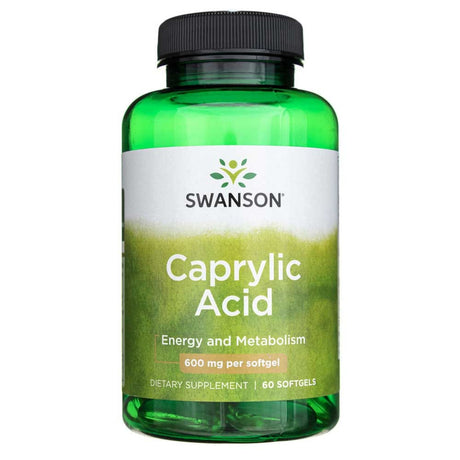
- Caprylic acid capsules or softgels — concentrated, standardised doses (typically 300–600 mg per capsule) for targeted antifungal or digestive applications; the most practical form for a defined supplementation protocol
- MCT oil (liquid or capsules) — a blend of C8 and C10 fatty acids from coconut oil; versatile for adding to food or drinks, widely used for energy and ketogenic support
- Pure C8 MCT oil — consists almost entirely of caprylic acid triglycerides; fastest-acting and most ketogenic form
For antifungal purposes, standalone caprylic acid capsules at 300–600 mg per dose, taken two to three times daily with meals, is the typical approach used in clinical and naturopathic practice. MCT oil is typically used in tablespoon-sized portions added to food or drinks. Starting with smaller amounts of MCT oil and building up gradually is advisable to avoid digestive discomfort, which is common when introducing MCTs at high doses too quickly.
This article is for information only and does not replace medical advice. If you have health concerns, are pregnant, breastfeeding or taking medication, consult a doctor or pharmacist. Dietary supplements are not a substitute for a varied diet.


